
Many fleets have specific goals to reduce petroleum dependency, meet cleaner emission mandates, reduce greenhouse gas emissions, and begin pilot fleets that model their future goals. Fleets are expanding their use of hydrogen, natural gas and biofuels. Sometimes, they even save money in the process.
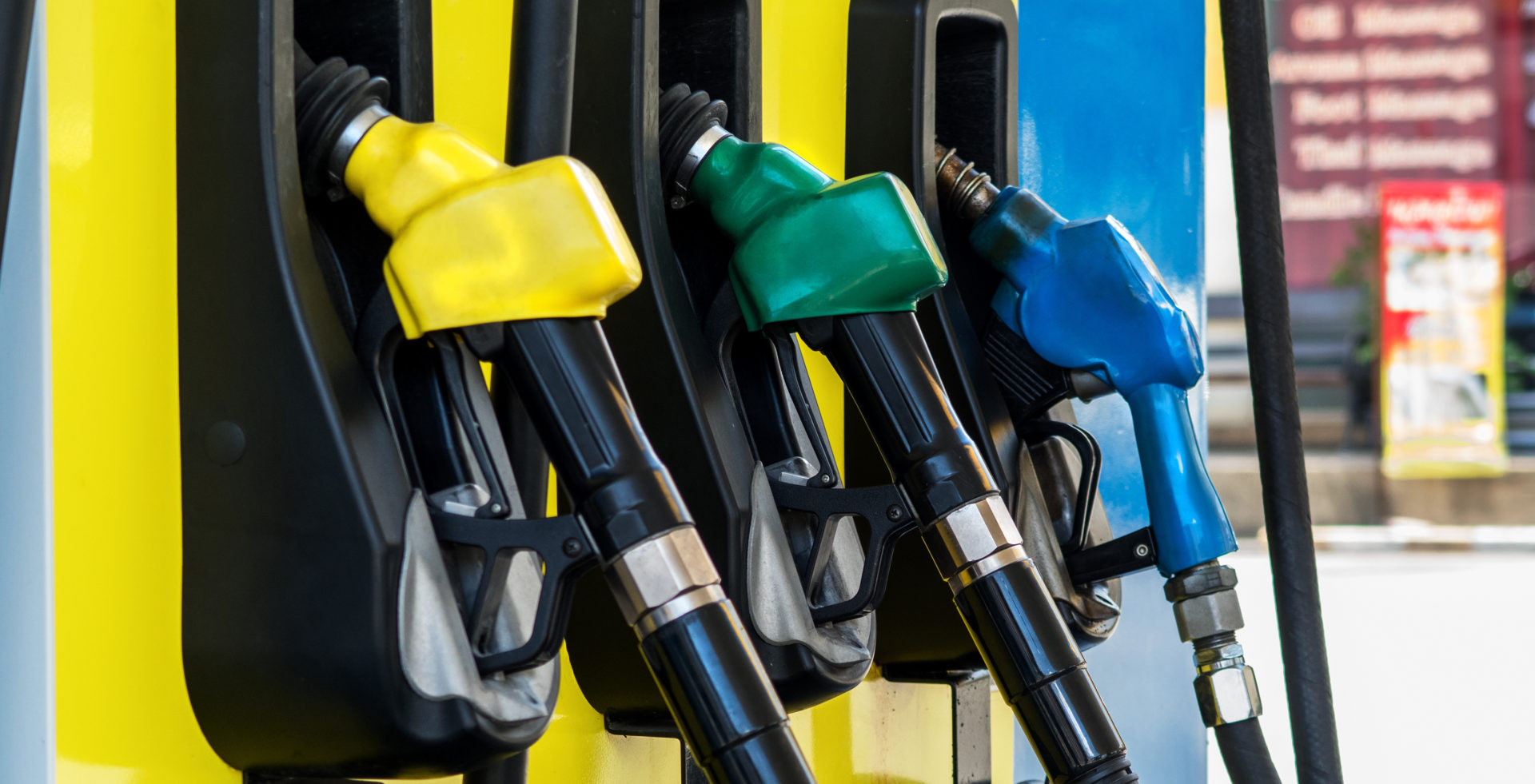
California currently has 2,500 daily riders on hydrogen vehicles including cars, light trucks, delivery vans and buses. New California regulation will require major public transit operators to have over 1,000 hydrogen fuel cell buses in service before 2022. Early fleet adopters of hydrogen are often major users of solar power.
Biofuels are becoming important options for cleaner transportation. Today’s available selection includes biogasoline, biodiesel, ethanol and butanol.
Many fleets have specific goals to reduce petroleum dependency, meet cleaner emission mandates, reduce greenhouse gas emissions, and begin pilot fleets that model their future goals. Fleets are expanding their use of hydrogen, natural gas and biofuels. Sometimes, they even save money in the process. Here’s a source to find alternative fuel fueling stations.

Oil soars to $125 per barrel and economies around the world sputter or fall into recession. Enough is enough. Many biofuels can be blended with gasoline and diesel refined from oil, then pumped into our existing vehicles. The new biofuels have the potential to encourage sustainable reforesting and soil enrichment. Biofuel 2.0 provides a path to fuel from wood and waste, not food and haste.