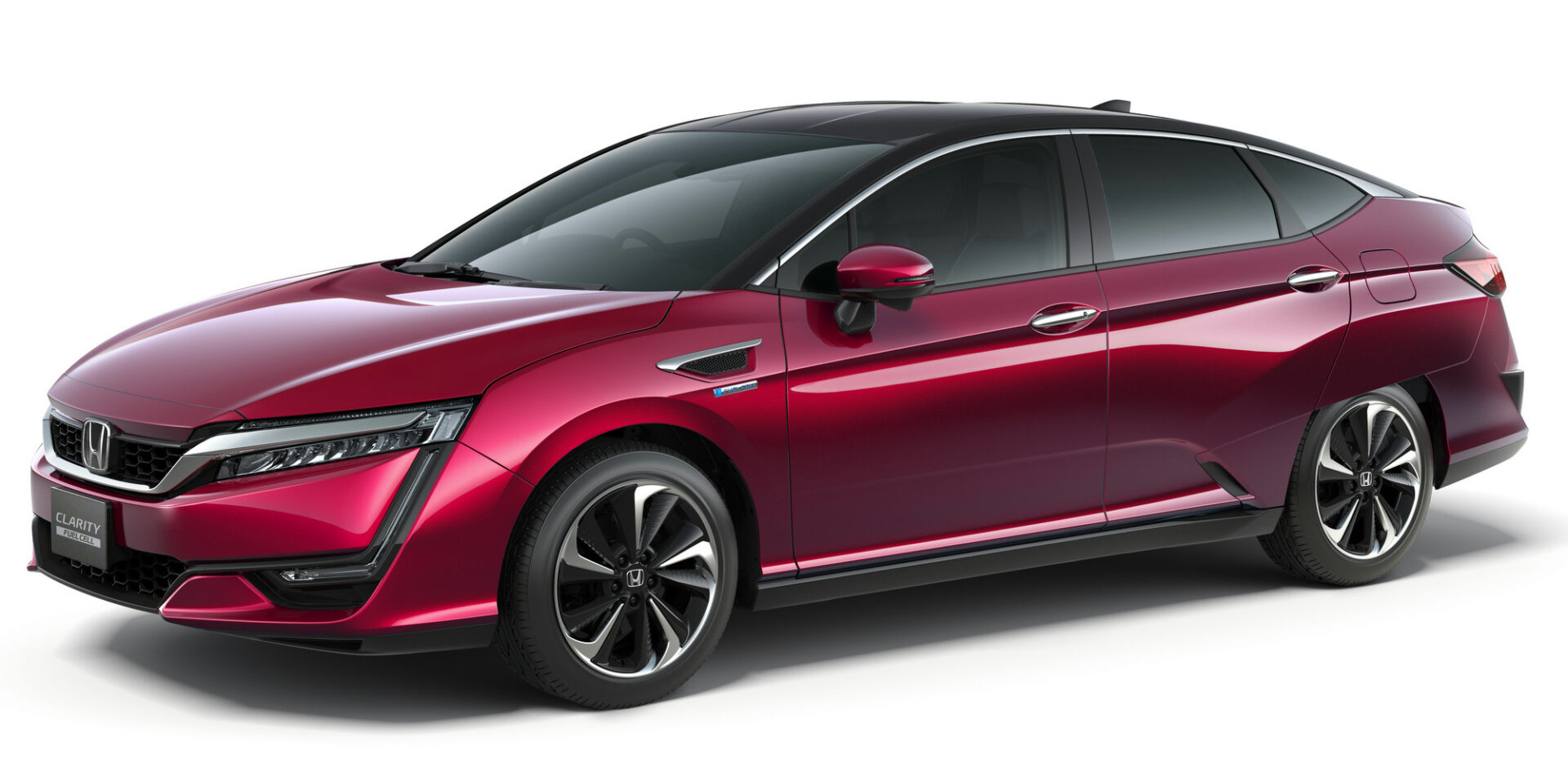
Q’orianka Kilcher is now turning heads as she silently drives by in her new hydrogen fuel cell vehicle, the Honda FCX. “I feel it is important to take initiative toward seeking positive solutions and stepping up the quest toward clean energy and environmental preservation,” said Q’orianka Kilcher.
The United States Marine Corp (USMC), like all branches of the Department of Defense (DoD), is exploring the use of hydrogen and other forms of clean transportation. One major motivation is that the fuel which runs U.S. Defense operations comes from oil. That oil is increasingly controlled by countries that have declared their animosity to the United States. If military fuel is controlled by the enemy, then our ability to defend this country is crippled
Thank you to the millions that used less oil in 2006. For the first time in 20 years, the International Energy Agency show oil consumption in the 30 member countries of the Organization for Economic Cooperation and Development fell 0.6% in 2006. The drop was slight, but most encouraging to all who seek energy independence, averting a climate crisis, and healing an economy “addicted to oil.”
The Federal Transit Administration (FTA) awarded $49 million in new funding for hydrogen fuel cell buses. The FTA goal is to have hydrogen fuel cell buses represent 10 percent of new U.S. transit bus purchases in the year 2015. These exciting awards include a new generation of fuel cells, hybrid electric propulsion, auxiliary power, and lighter aerodynamic bus designs.
Los Angeles World Airports (LAWA) opened the first public access hydrogen station in the nation in October 2004. The station supports the fleet of five hydrogen vehicles used daily near Los Angeles International Airport (LAX). It is available to the growing hydrogen fleets at the City of Los Angeles, UCLA, Toyota, Honda, and soon others. It is part of the California Hydrogen Highway.