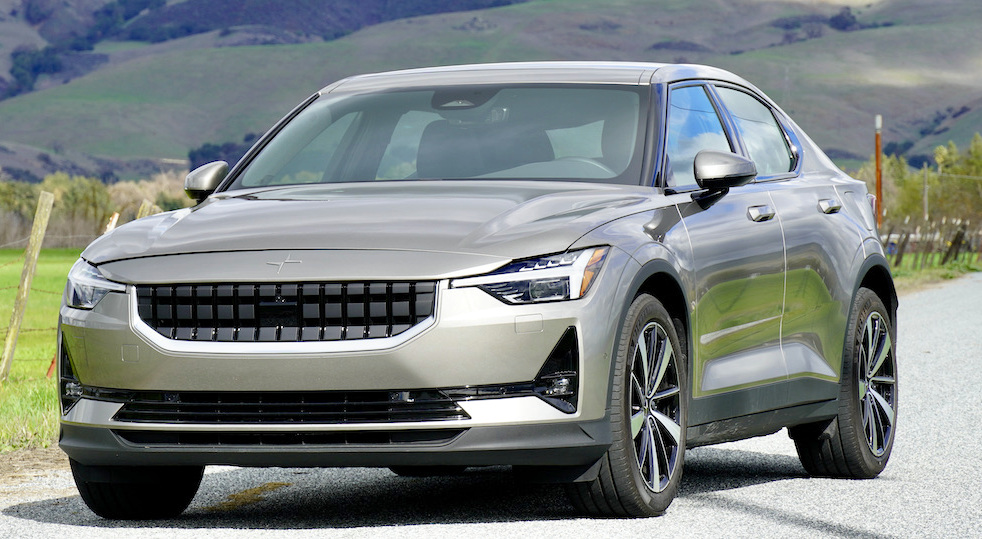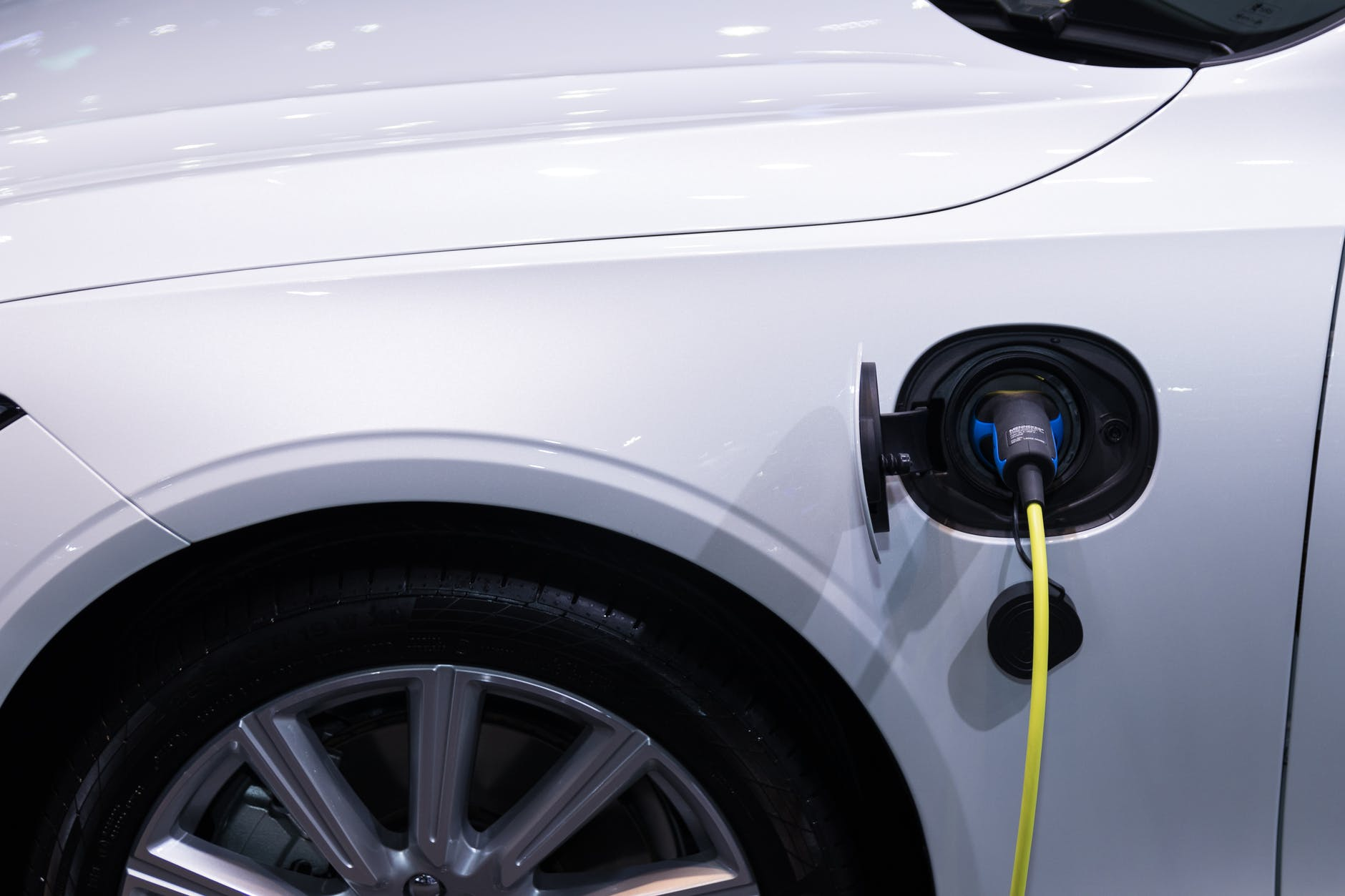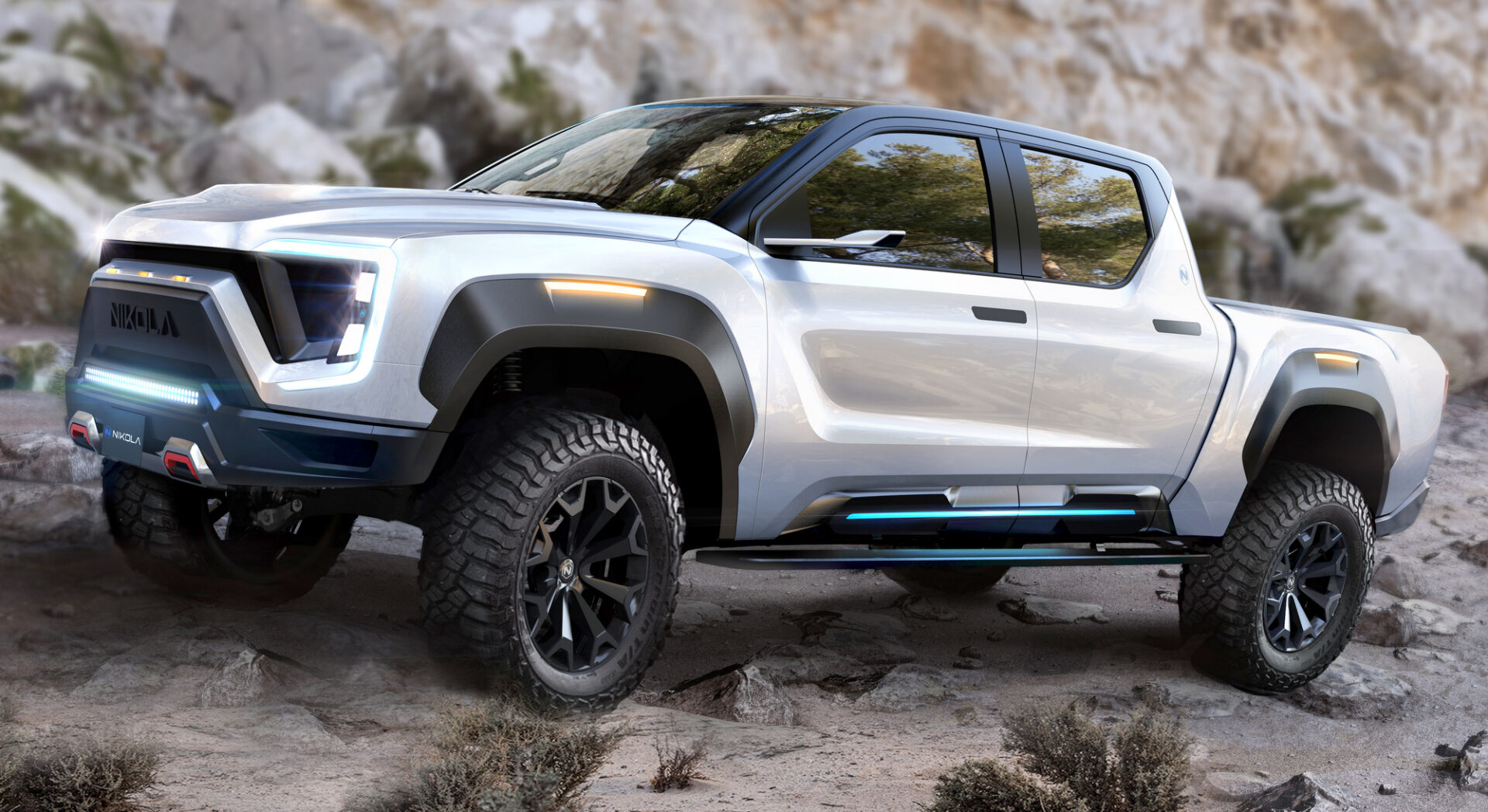
Tom Hanks has supported improving the environment for years both with words and actions such as driving electric vehicles. “I still have a Toyota RAV4 EV and never spent a penny on gasoline for it,” he said. Happy with his Toyota EV, he added a second electric car. Many other people are experimenting with conversions to electric. The most notable are hybrid owners. Hundreds own electric vehicles in this university town. The city’s parks and recreation department saves money using EVs that displace expensive gasoline cars and trucks. The university is a major user of electric vehicles.
Millions of hybrids are now on the road, saving fuel and making driving more pleasant. Most cars are only powered by an internal combustion engine fueled with gasoline. Electric vehicles are powered by electric motors that are often three times more efficient than a gasoline engine. Hybrid technology is improving the fuel economy of some SUVs. The Ford Escape Hybrid, for example, offers over 30 miles per gallon.
There is no one correct answer for the best vehicle, or even type of vehicle, to best save gas and save the planet. People have different needs at different times of their life, and different driving conditions. Michael enjoyed living car-free when he went to the university but love, marriage, and parenthood meant getting a car. When the children are grown, Michael and Beth plan to return to one vehicle.
You can make a difference. The first chapters of Save Gas, Save the Planet will help you consider what you want in your next car. There are also many ways to reduce miles and improve fuel economy with your current car. Your actions and your words will influence more people than you expect. None of these are all-or-nothing ideas. Consider realistic improvements for yourself, your family, your friends, and your community.
We want to believe in magic but unfortunately, there is no one magical solution. Save Gas, Save the Planet captures over 120 different ways that people are making a difference by riding clean, riding together, and riding less. As you read Save Gas, Save the Planet, you will discover a number of ways to burn less fuel without needing a new car. When, and if, you are ready for a new car, you will make a better choice.
This excerpt from the book Save Gas, Save the Planet outlines the important relationship between transportation and your finances. Your vehicle is your second biggest expense. In addition to personally saving thousands, you can help the nation save billions. People share tips and stories about how they save by riding smart and riding clean.
This excerpt from the book Save Gas, Save the Planet highlights the future of Transportation 2.0. During the next 20 years we will witness a major shift from vehicles that are mostly mechanical to vehicles that are primarily electronic. People share tips and stories about how they save by riding smart, riding less, riding together, and riding clean.
Momentum continues for electric vehicles and plug-in hybrids. BMW is already leasing its freeway speed MiniE. Toyota is putting 500 plug-in Priuses into fleet tests this year. Next year, Nissan, Chrysler, BYD, and Ford plan to start taking consumer orders for electric vehicles from cars to vans. Toyota and GM will be fighting for plug-in hybrid market leadership. But most potential EV drivers do not have a garage for charging. San Francisco’s new intelligent charging infrastructure demonstrates a solution.
Solar is powering more vehicles. American’s have reduced their use of petroleum 5 percent this year. So far, petroleum reduction is the result of fewer miles traveled solo as people cut travel to deal with high gas prices and a slowing economy. At the Solar Power International conference, one notable area of growth is solar covered parking structures with vehicle charging – a cool solution for a planet that is getting hotter.
PDFs are available here for PowerPoint presentations made by John Addison about his book – Save Gas, Save the Planet – the future of transportation, new electric vehicles, and the Great Fuel Race.
When Coke and Pepsi were in the middle of their diet wars, California was an early battle ground. Now millions of Californians are being targeted as early adopters for a low carbon fuel diet. More miles, less carbon emission. It is the law. Executive Order S-1-07, the Low Carbon Fuel Standard (LCFS), calls for a reduction of at least 10 percent in the carbon intensity of California’s transportation fuels by 2020.