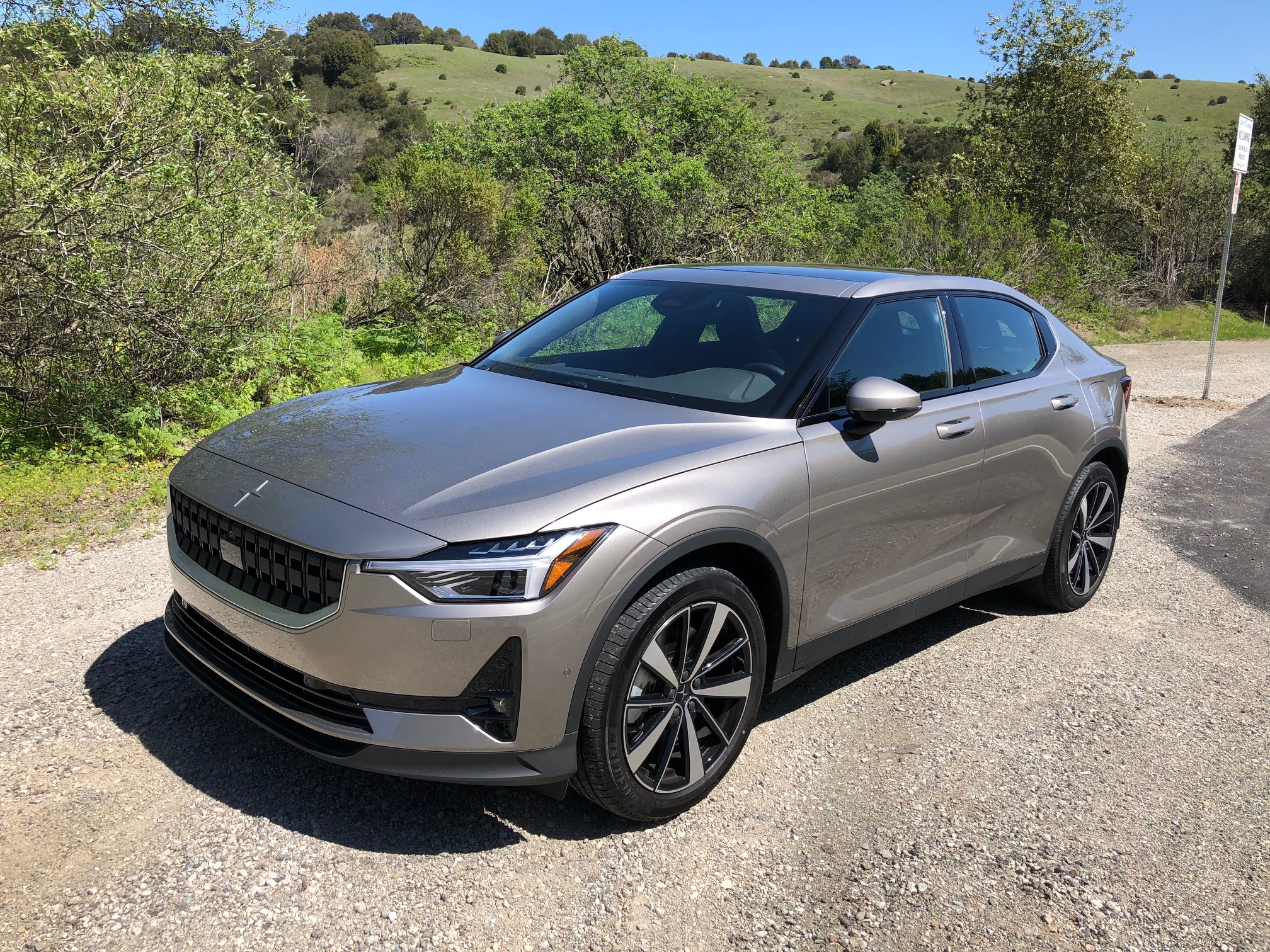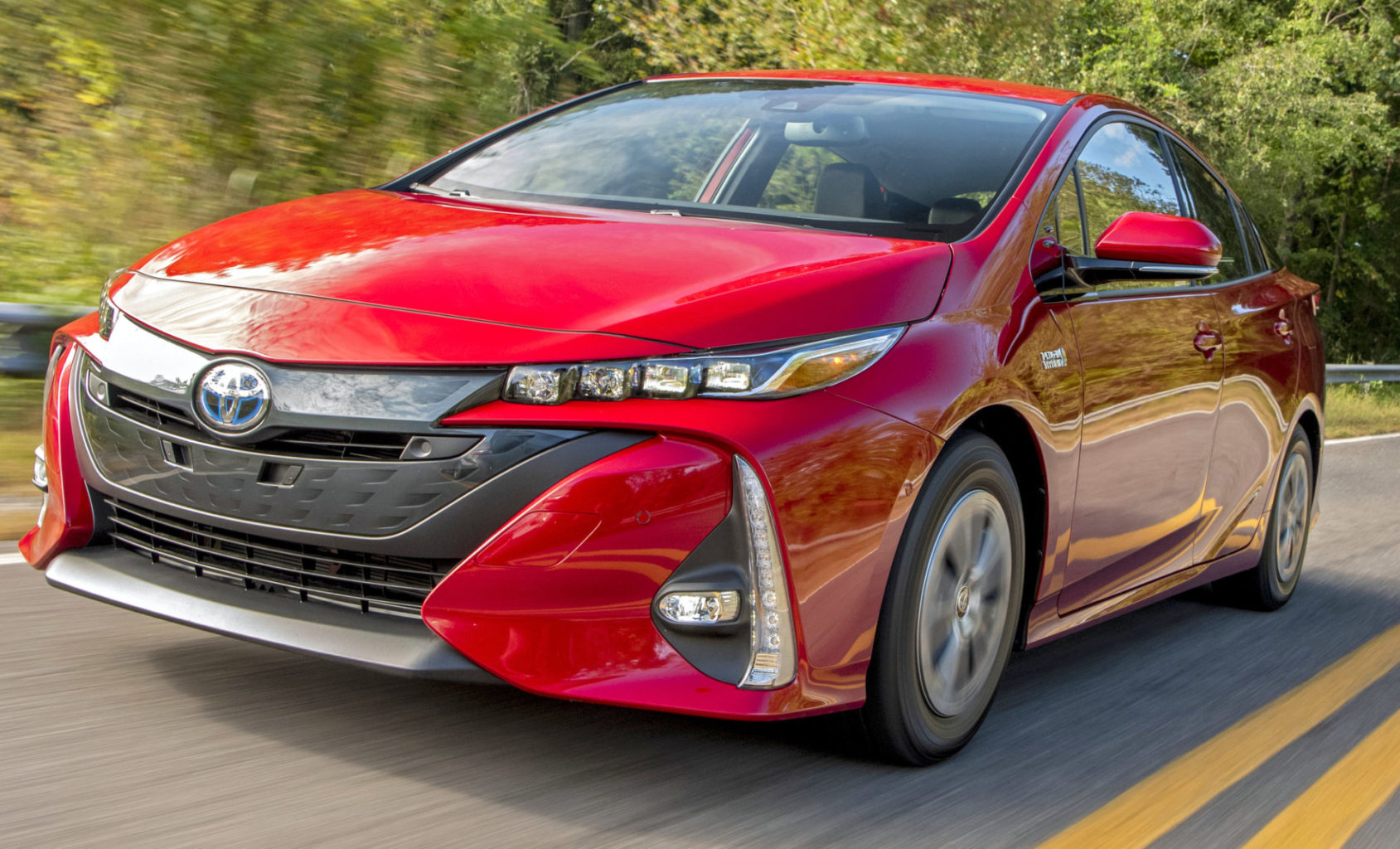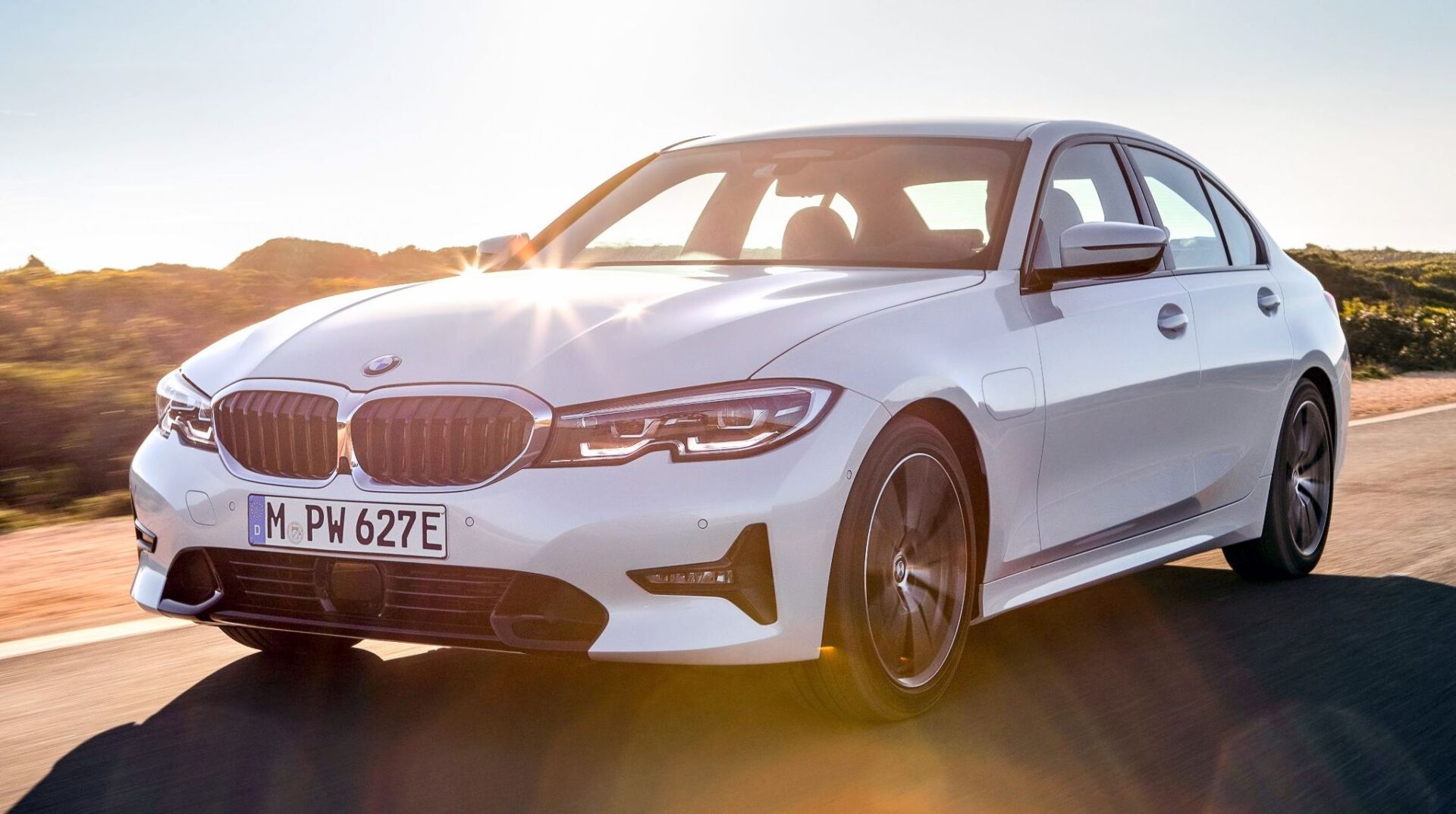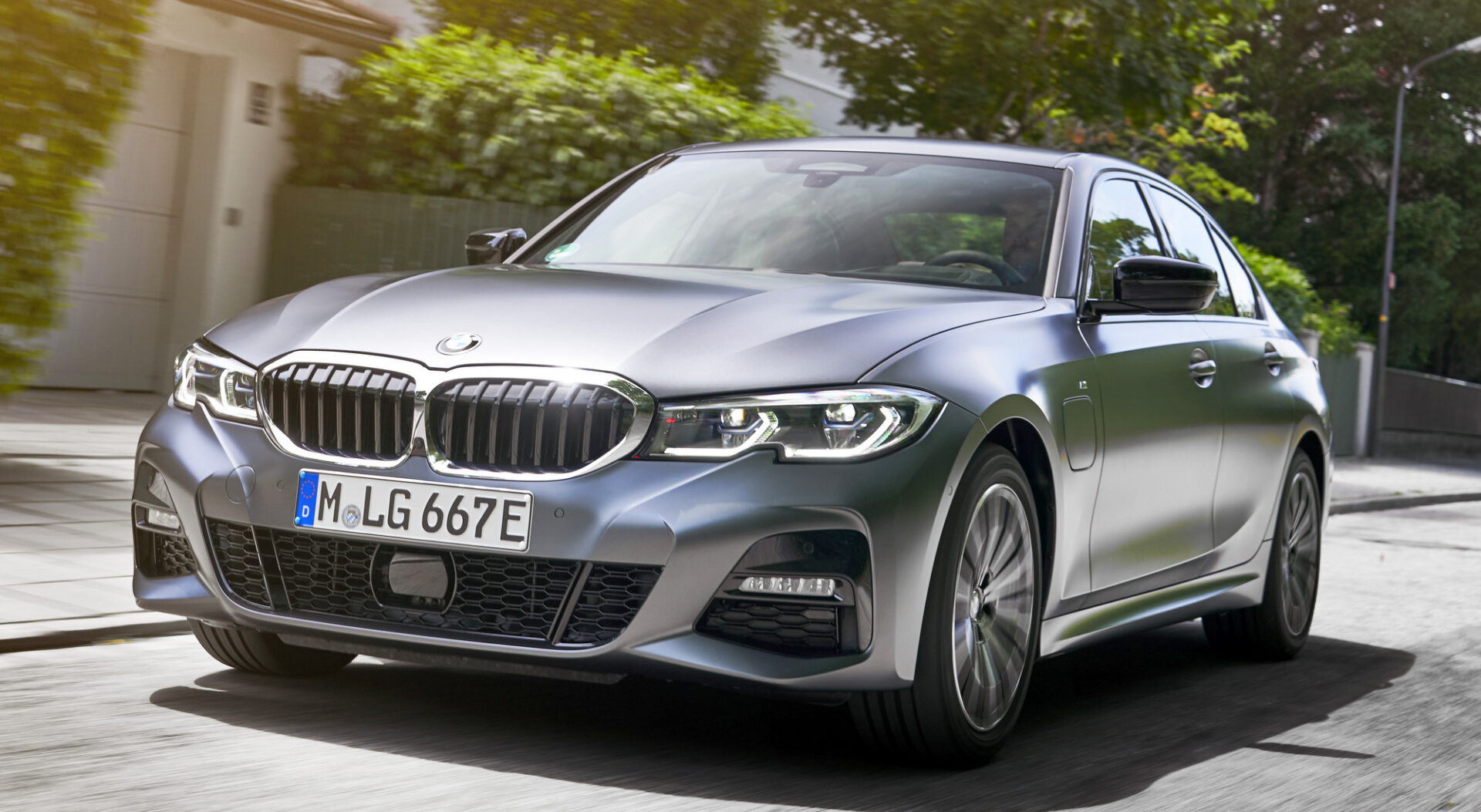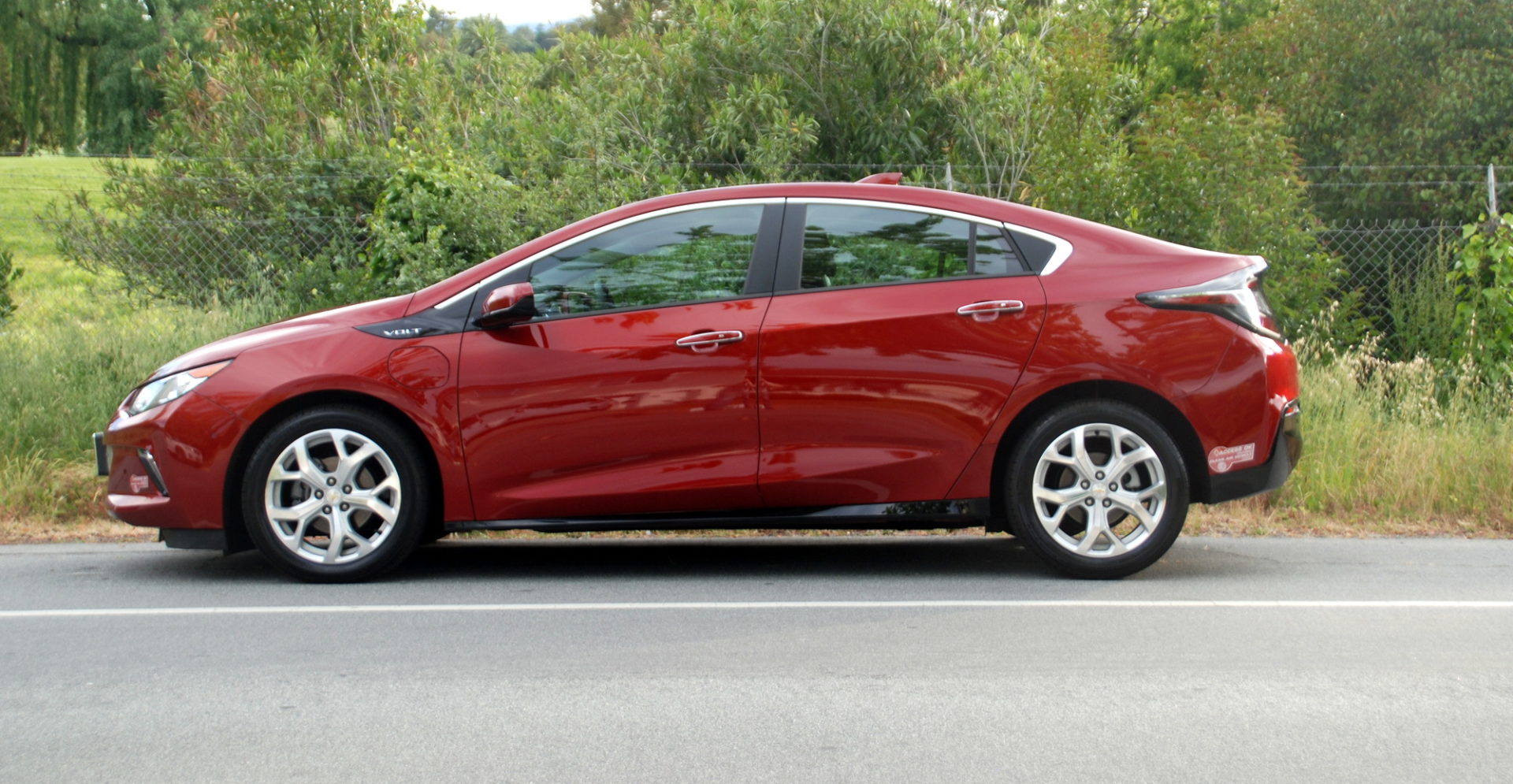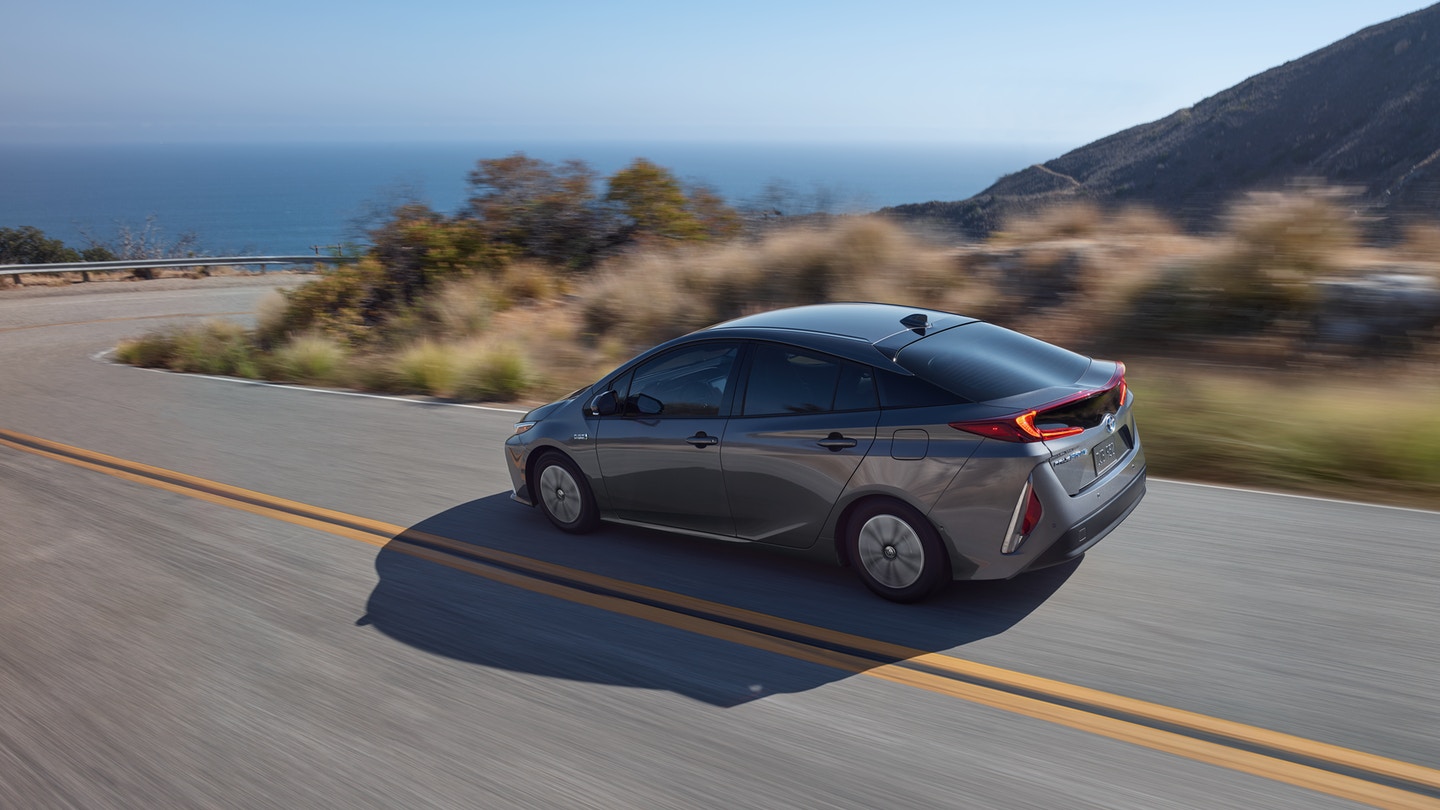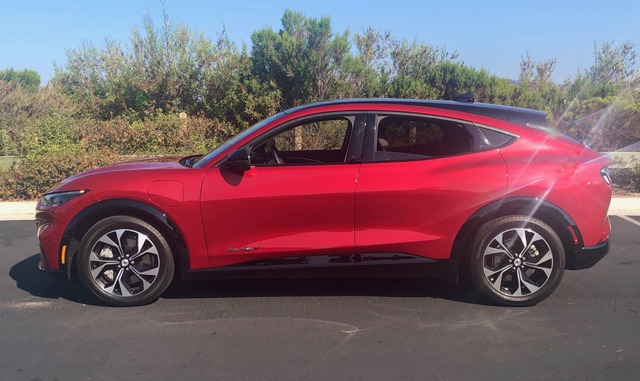
The enthusiast group Plug In America noted that, for the first time, U.S. sales of plug-in electric cars (either pure electrics or plug-in hybrids) market will pass a significant milestone this month (May). The 100,000th mark was reached just past two years after their introduction to the market.
MPG is still on consumers’ minds as car and truck sales of hybrids, plug-in cars and clean diesels continued to outpace the overall market in February 2012. High mileage hybrids, plug-ins and diesels had their second good month to begin the year, bettering the high bar set by the overall market. Hybrids continued to be above 3 percent of the market and both hybrids and diesels accelerated sales beyond a strong overall market (up 16.1% and 23.3% respectively compared to the overall market rise of 14.3%).
A pair of environmentalists dismiss some of the common misconceptions that prevent the eco-conscious from buying electric cars.
First Honda, then Hyundai, now Ford, is in the crosshairs of criticism over inflated fuel economy numbers. It’s not that an average driver can’t get the mpg numbers found on the window sticker when you buy the car, but can you get them – or even close – in normal driving? Hypermilers can routinely max [...]
The past decade has been a pretty incredible time for advances in sustainable transportation. All over the globe, scientists and engineers have worked harder than ever to create greener ways to get around. In looking back, three developments stand out in particular.
There are over 40,000 electric vehicles in the United States, with more being made and sold every day. In most situations, the limited range and speed of light electric vehicles are acceptable. Several automakers are targeting 2010 to sell electric vehicles in the United States that you can charge in your garage and other places. If you live in a household with more than one car, the EV may be perfect for one of your cars.
There is no one correct answer for the best vehicle, or even type of vehicle, to best save gas and save the planet. People have different needs at different times of their life, and different driving conditions. Michael enjoyed living car-free when he went to the university but love, marriage, and parenthood meant getting a car. When the children are grown, Michael and Beth plan to return to one vehicle.
Many Americans are interested in ending the ridiculous amounts of money they spend at the pump. If all the vehicles are gas guzzlers, this is a great time to replace one. In the United States, there is tremendous innovation in plug-in hybrid technology, electric drive systems, advanced batteries, and fuel cells. Fortunately, there are many solutions.
You can make a difference. The first chapters of Save Gas, Save the Planet will help you consider what you want in your next car. There are also many ways to reduce miles and improve fuel economy with your current car. Your actions and your words will influence more people than you expect. None of these are all-or-nothing ideas. Consider realistic improvements for yourself, your family, your friends, and your community.
This excerpt from the book Save Gas, Save the Planet outlines the important relationship between transportation and your finances. Your vehicle is your second biggest expense. In addition to personally saving thousands, you can help the nation save billions. People share tips and stories about how they save by riding smart and riding clean.
This excerpt from the book Save Gas, Save the Planet highlights the future of Transportation 2.0. During the next 20 years we will witness a major shift from vehicles that are mostly mechanical to vehicles that are primarily electronic. People share tips and stories about how they save by riding smart, riding less, riding together, and riding clean.
Pike Research forecasts 4.7 million charge points for electric cars will be installed worldwide from 2010 to 2015. Pike forecasts that by 2015, more than 3.1 million EVs, including plug-in hybrids and all-electric vehicles, will be sold worldwide. Pike Research’s indicates that competition from infrastructure providers will intensify by the end of 2011. Leading the first 20,000 U.S. charge point installations are AeroVironment, Better Place, Coulomb Technologies, and ECOtality. GE, Panasonic, Samsung, and Siemens are moving into the space with hardware and network services.
Momentum continues for electric vehicles and plug-in hybrids. BMW is already leasing its freeway speed MiniE. Toyota is putting 500 plug-in Priuses into fleet tests this year. Next year, Nissan, Chrysler, BYD, and Ford plan to start taking consumer orders for electric vehicles from cars to vans. Toyota and GM will be fighting for plug-in hybrid market leadership. But most potential EV drivers do not have a garage for charging. San Francisco’s new intelligent charging infrastructure demonstrates a solution.
Solar is powering more vehicles. American’s have reduced their use of petroleum 5 percent this year. So far, petroleum reduction is the result of fewer miles traveled solo as people cut travel to deal with high gas prices and a slowing economy. At the Solar Power International conference, one notable area of growth is solar covered parking structures with vehicle charging – a cool solution for a planet that is getting hotter.
PDFs are available here for PowerPoint presentations made by John Addison about his book – Save Gas, Save the Planet – the future of transportation, new electric vehicles, and the Great Fuel Race.